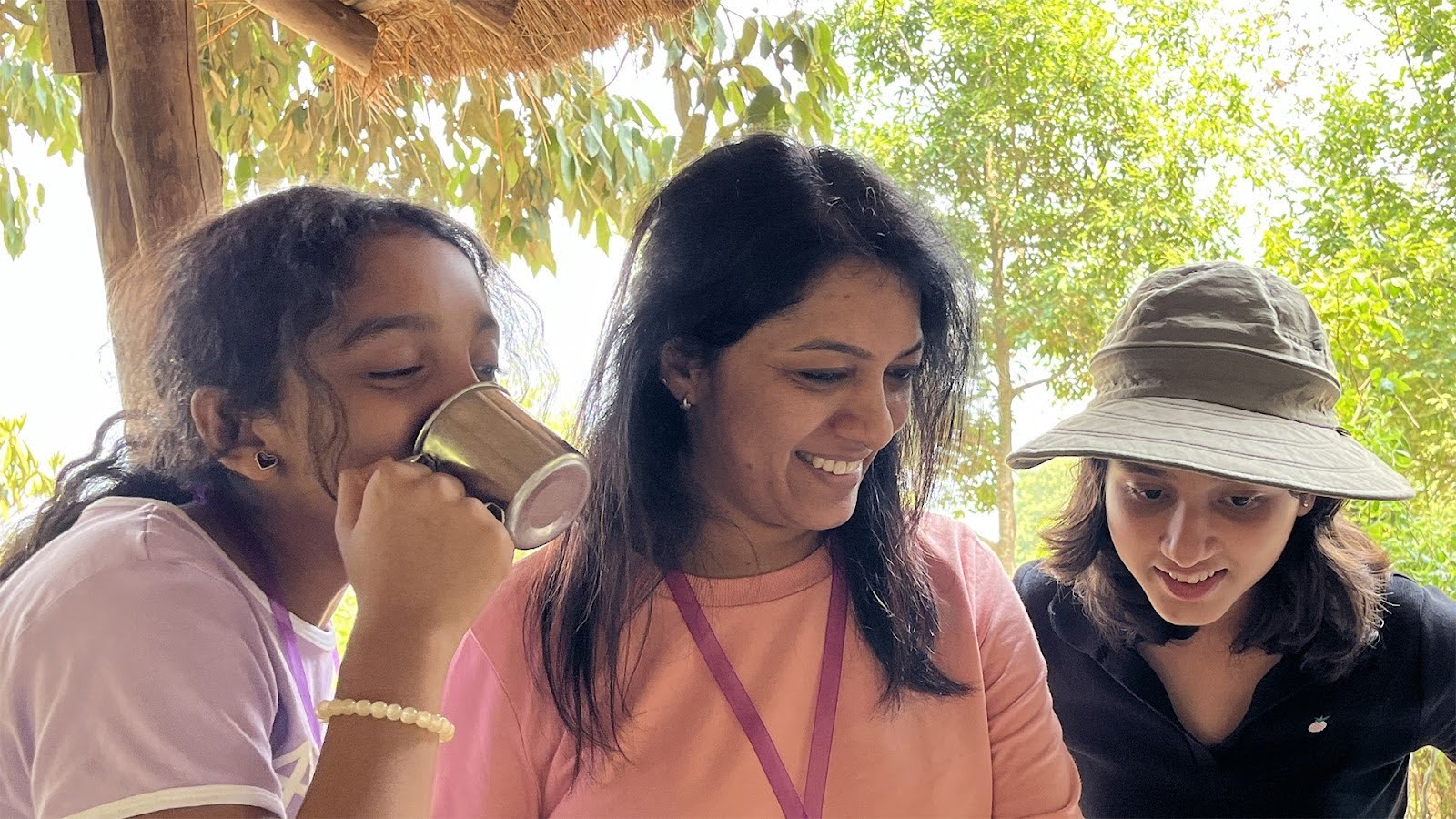
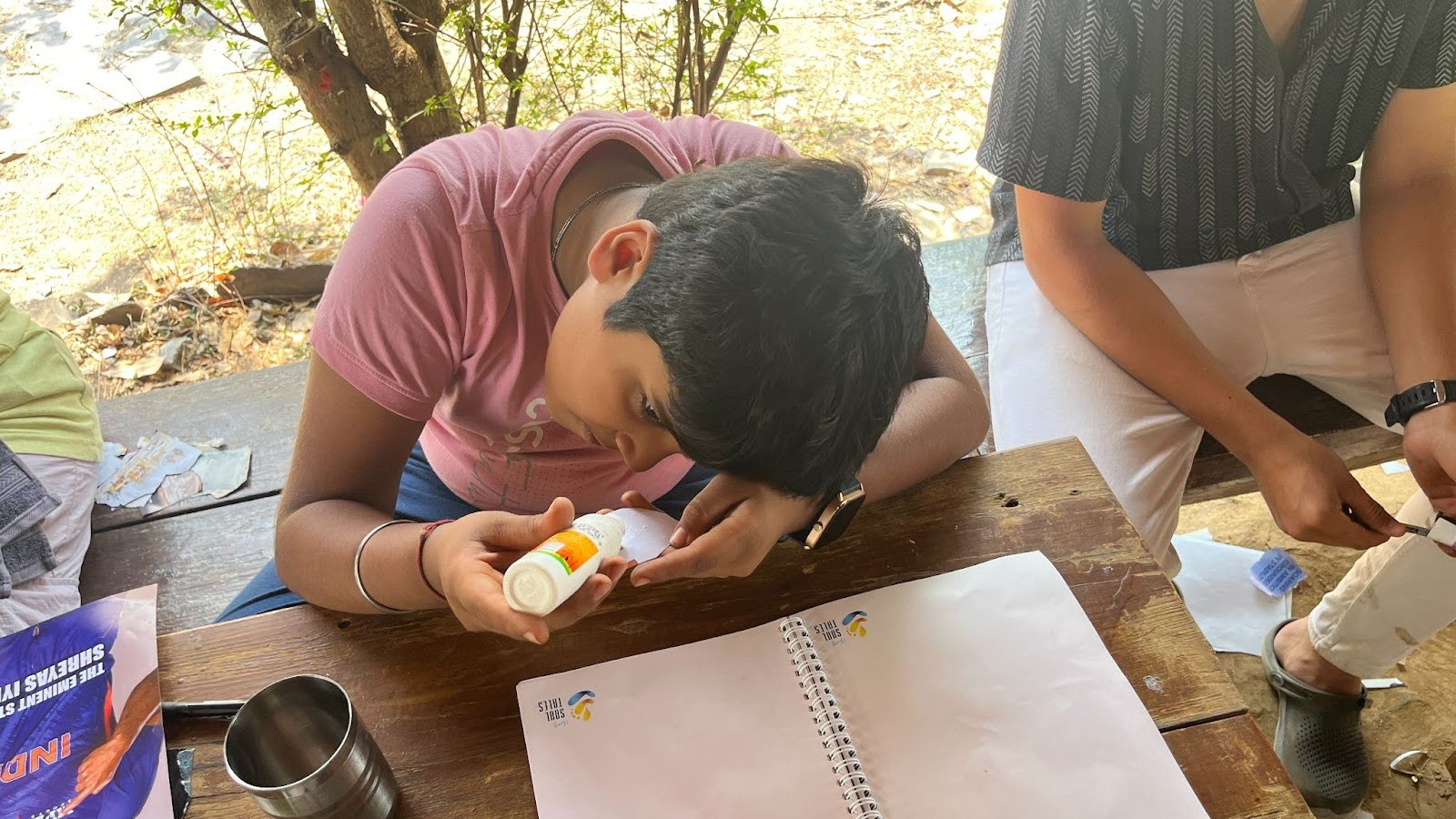
My daughter turned fourteen last year. And watching her navigate this phase of life, the social media comparisons, the pressure to have everything figured out, the constant performance of being “fine” has taught me more about teenagers than any textbook ever could.
Here’s what I see: teenagers are exhausted. Not physically (though that too), but existentially. They are asked to make decisions about their future when they are still figuring out who they are today. They are performing versions of themselves on social media while privately wondering if any of those versions are real. They are told to “be yourself” in a world that punishes difference.
The question they are living with, whether they name it or not, is the one Erik Erikson identified decades ago: Who am I?
This is the central work of adolescence. Not college prep. Not skill-building. Identity formation. And it’s work that rarely gets supported in the rush of academic life, extracurriculars, and screen time.
A well designed youth retreat experience offers something teenagers desperately need but rarely get: space. Space to pause. Space to reflect. Space to discover who they are when they are not performing for anyone.
At Young SoulTales, we don’t believe teens need to be “fixed” or “shaped.” They need to be seen. Given the right conditions, they find their own way.
Here are 10 types of retreat experiences that can genuinely shift something for a teenager. Not because we say so, but because of what we have watched happen.
Nature Immersion Retreats
Let me tell you what happens when a teenager spends a week without their phone, surrounded by forest instead of notifications. At first, there’s restlessness. Sometimes irritation. “This is boring” is a common refrain on day one.
By day two, something starts to settle. The constant background anxiety, the one they don’t even notice anymore because it’s become baseline, begins to quiet. Their breathing changes. They start noticing things, the way light falls through leaves, the sound of water, their own thoughts without a screen interrupting every thirty seconds. By day seven, they’re different. Calmer. More present. More themselves. Research shows that time in natural environments significantly reduces cortisol levels. But you don’t need studies to see it. Watch a teenager after genuine nature immersion. The nervous system has recalibrated.
What teens gain: Emotional balance. Mental clarity. A felt sense of groundedness that can’t be manufactured.
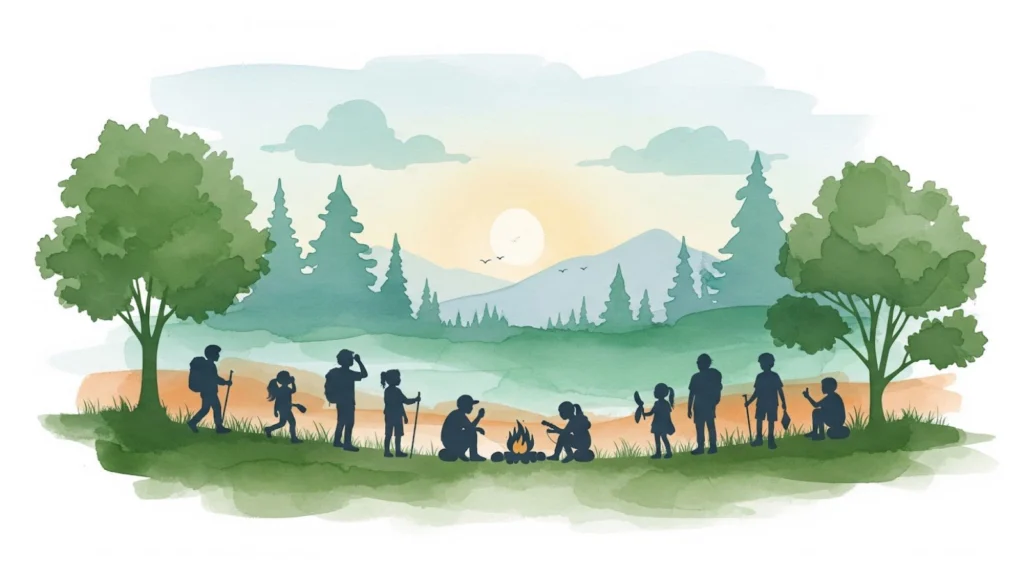
Mindfulness & Self-Awareness Retreats
I want to be careful here, because “mindfulness” has become such a buzzword that it’s almost meaningless. I am not talking about forcing teenagers to sit cross-legged and meditate. That rarely works. I am talking about practices that help them notice what’s happening inside, their emotions, their body sensations, their thought patterns, without being overwhelmed by it all. Journaling prompts. Breathing techniques tied to movement. Reflection exercises that don’t feel like homework.
The goal isn’t to make teenagers “calm.” It’s to help them develop what psychologists call interoceptive awareness, the ability to sense what’s happening in their own body. This is the foundation of emotional regulation. You can’t manage feelings you can’t notice. One sixteen-year-old told us after a retreat: “I didn’t know I was allowed to just notice how I feel without having to fix it.”
That sentence broke my heart a little. But it also showed me what we are working against, a culture that tells teenagers their feelings are problems to be solved rather than information to be understood.What teens gain: Inner confidence. Emotional regulation. The beginnings of self-knowledge.
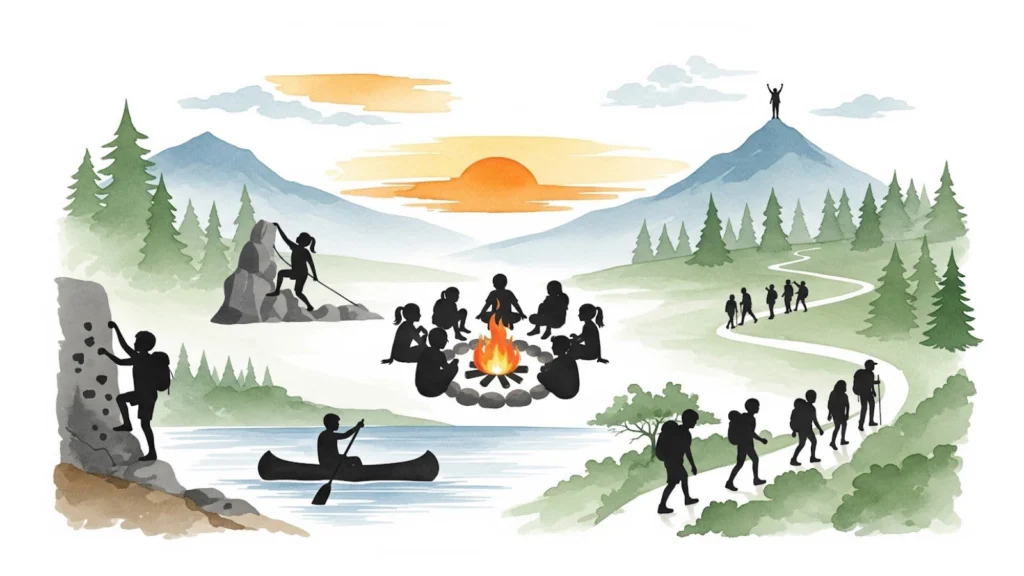
Adventure-Based Youth Retreat Experiences
There’s a specific kind of confidence that only comes from doing something you weren’t sure you could do.
Not extreme risk, that’s not what I mean. But a genuine challenge. A trek that’s actually hard. A night spent outdoors when you have never done that before. A group task that requires real problem-solving.
Carl Rogers, the humanistic psychologist, talked about how we grow at the edge of our comfort zone, not deep in discomfort, but right at the boundary where things feel new and slightly uncertain.
Adventure-based retreats provide exactly that edge. Teenagers discover they can handle more than they thought. Not because someone told them they could, because they experienced it.
This kind of confidence doesn’t come from praise or affirmation. It comes from evidence. “I did that hard thing. I’m still here. Maybe I can handle more.”
What teens gain: Resilience. Courage. A felt sense of their own capability.
Leadership & Responsibility Retreats
Here’s what I believe about leadership: it’s not about authority. It’s about responsibility.
Most teenagers have very little real responsibility. Their lives are managed by adults, school schedules, family decisions, predetermined paths. They are told what to do far more often than they’re trusted to figure it out.
Leadership retreats flip this. Teenagers are given actual tasks with actual stakes. Not manufactured “leadership activities,” but real situations where their choices matter, to themselves and to others.
They learn to make decisions and live with the consequences. They discover what it feels like to be accountable to a group. They practice something rare in teenage life: being trusted.
Daniel Goleman’s work on emotional intelligence shows that these skills, self-awareness, self-regulation, empathy, social skill, matter more for life success than IQ. But they don’t develop through lectures. They develop through practice, in real situations, with real feedback.
What teens gain: Emotional intelligence. Teamwork. The experience of being genuinely trusted.
Creative Expression Retreats
Teenagers feel enormous pressure to perform, academically, socially, digitally. Creative expression retreats offer something different: permission to make without being judged.
Art. Movement. Storytelling. Music. Writing. Not to produce something impressive. Not for grades. Just to express what’s inside.
I am getting trained in expressive movement therapy, and I’ve seen what happens when teenagers are given space to create without an audience evaluating them. Things come out that they didn’t have words for. Emotions that were stuck start to move. There’s relief in expression.
One girl at a retreat spent two days painting abstractly, just colors and shapes. On the last day, she said, “I think this is what my anxiety looks like. I never knew before.”
She wasn’t trying to make art. She was trying to understand herself. The art was just the vehicle.
What teens gain: Confidence in self-expression. Emotional release. New ways to process what they’re feeling.
Community Living Retreats
This one’s simple but profound.
Modern teenagers are digitally connected to thousands of people and often genuinely connected to very few. They have followers, not communities. They perform for an audience, not belong to a group.
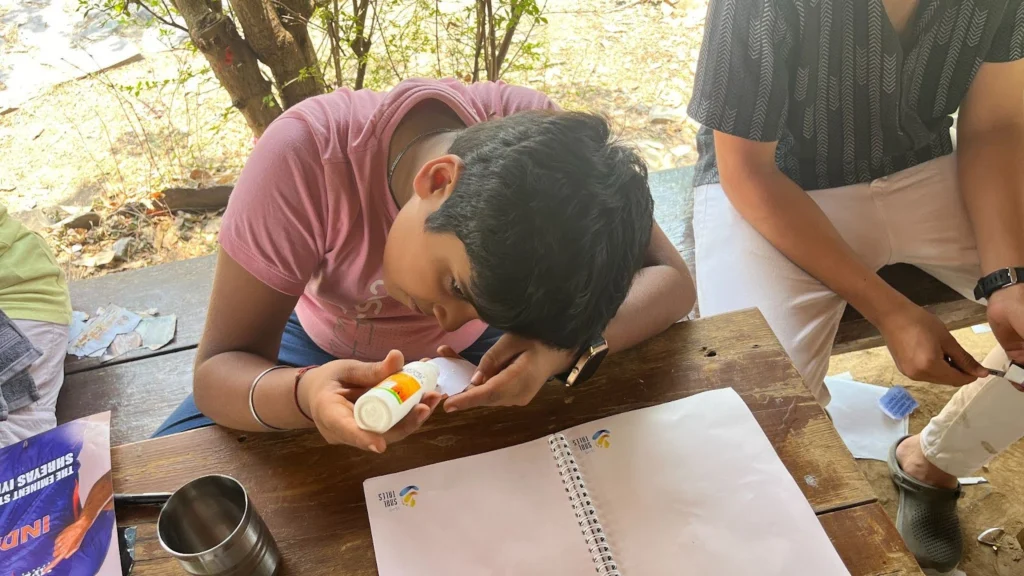
Community living retreats, where teens spend several days in shared space with a small group, offer something increasingly rare: real belonging.
You can’t swipe away a conflict when you’re sharing a cabin with someone. You can’t curate your image when people see you at breakfast before you’ve had time to construct a persona. You have to be more real. And in that realness, something happens.
Teenagers learn that they can be accepted for who they actually are, not just the version they’ve polished for public consumption.What teens gain: Social confidence. A sense of belonging. The experience of being known and still accepted.
Digital Detox Retreats
Let me be honest, I think social media is particularly hard on teenagers.
The comparison culture. The performance. The constant interruption of their attention. The algorithmic amplification of whatever makes them feel worse about themselves.
I watch my daughter navigate this. She’s smart about it, aware of the manipulation, critical of the effects. But awareness doesn’t fully protect you. The pull is designed by teams of engineers to be irresistible.
Digital detox retreats give teenagers something they can’t give themselves: enforced distance.
At first, it’s uncomfortable. The phantom phone check. The slight panic of “what am I missing?” But after 48-72 hours, something releases. The brain stops seeking the next notification. Attention spans lengthen. Conversations deepen.
Teenagers come back from digital detox experiences saying things like: “I forgot what it felt like to be bored. And then I remembered that boredom is actually… okay?”
That’s recovery. That’s their nervous system returning to something more natural.
What teens gain: Improved focus. Reduced anxiety. Authentic real-world connection.
Reflective Travel Retreats
There’s a difference between tourism and travel that changes you.
Tourism is consumption, seeing sights, taking photos, moving on. Transformative travel is about exposure to difference in a way that shifts your perspective.
When teenagers encounter new environments, new cultures, new ways of living, something opens. The certainties they didn’t know were certainties start to become questions. “Maybe there are other ways to do things. Maybe my assumptions aren’t universal.”
This is particularly powerful during adolescence, when identity is still forming. Exposure to genuine difference, not packaged tourist difference, but real human variation, expands the range of who they can imagine becoming.
What teens gain: Adaptability. Cultural sensitivity. A broader sense of what’s possible.
This aligns deeply with the Young SoulTales philosophy of experiential travel as a vehicle for growth.
Seasonal Retreats (Summer vs. Winter)
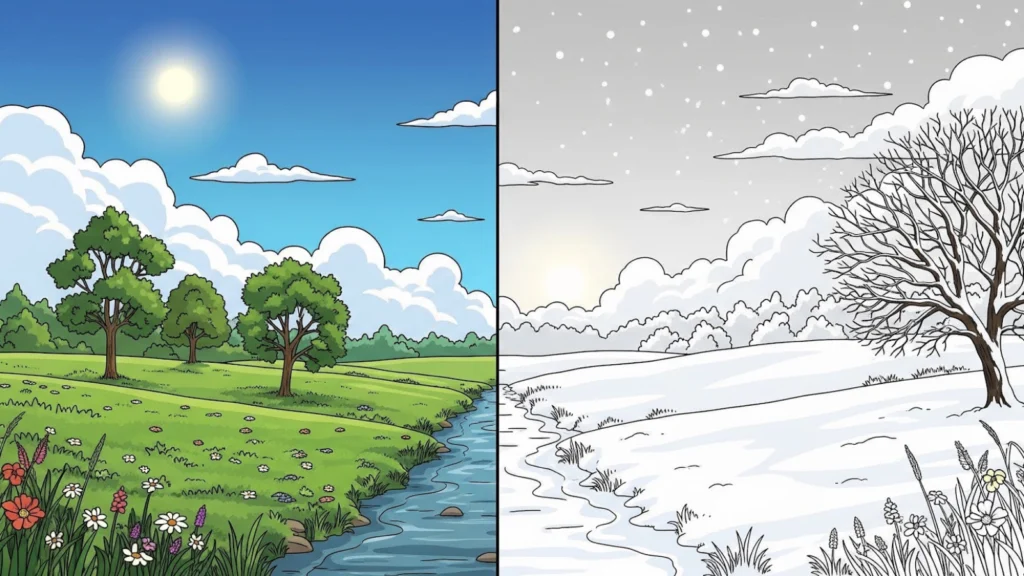
We run both summer and winter retreats, and they’re not the same experience in different weather. Each season offers something distinct.
Summer retreats are expansive. Longer days, more outdoor time, higher energy. Teenagers are naturally more outward-focused, building connections, trying new things, discovering social confidence. It’s a season for exploration and expansion.
Winter retreats have a different quality. Shorter days create natural rhythms of activity and rest. There’s more time for introspection, for quieter conversations, for inner work. Teenagers who might get lost in summer’s social energy often find their footing in winter’s slower pace.
I think of it this way: summer builds the social self. Winter builds the reflective self. Both are real. Both matter.
Some teenagers need the energy of summer to come alive. Others need the spaciousness of winter to settle into themselves. And some need both, different seasons for different developmental moments.What teens gain: Summer offers social confidence and outward growth. Winter offers grounding and introspective strength.
Mentor-Guided Youth Retreat Experiences
I’ve saved this for last because it might be the most important.
The activities matter. The setting matters. But what matters most? The presence of adults who see teenagers clearly, and don’t try to change them.
Most teenagers are drowning in adults who want something from them. Teachers who want performance. Parents who want success (however they define it). Coaches who want results. Everyone has an agenda.
A good mentor has a different presence. They’re interested without being invested. Supportive without being controlling. They ask questions rather than give answers. They notice without judging.
When a teenager feels genuinely seen by an adult who isn’t evaluating them, something relaxes. Self-trust starts to build. They begin to believe that maybe they’re okay as they are, not as a finished product, but as a person in process.
At Young SoulTales, our mentors walk beside teens, not ahead of them. This isn’t just philosophy, it’s practice. It means not jumping in with advice. It means tolerating silence. It means trusting that teenagers have wisdom of their own, even when it’s buried under performance and pressure.
What teens gain: Emotional safety. Trust, in adults and in themselves.
A Note for Parents (Especially of Girls)

I know what parents worry about when considering retreats for teenagers. Safety is primary ~ as it should be.
For parents of daughters especially, this concern is heightened. And I want to address it directly.
At Young SoulTales, we maintain strict protocols around accommodation and supervision. Boys and girls have separate sleeping spaces, always. Mentors are trained, background-checked, and experienced in working with adolescents. We maintain appropriate ratios and clear boundaries.
But safety isn’t just physical. It’s emotional too. A retreat where a teenager feels judged, pressured, or unseen isn’t safe, even if nothing “bad” happens. We prioritize creating environments where teenagers can be vulnerable without being exploited, honest without being punished, uncertain without being fixed.
If you have specific concerns, reach out to us. We’d rather answer your questions directly than have you wonder.
The Real Gift of a Youth Retreat Experience
Here’s what I’ve come to believe about teenagers:
They don’t need more activities. They don’t need more pressure. They don’t need adults telling them who to become.
They need space to figure it out. They need adults who can hold that space without filling it. They need experiences that let them discover, through lived experience, not instruction, who they already are.
A youth retreat experience at its best isn’t about changing teenagers. It’s about giving them something they rarely get: permission to explore, to fail, to reflect, to just be, without performance pressure, without grades, without the constant noise of modern adolescence.
At Young SoulTales, that’s what we try to offer. Not a program that produces a certain kind of teenager. A space where teenagers can discover themselves.
Because the question “Who am I?” can’t be answered by adults. It can only be explored, gently, with support, over time, by the teenager themselves.
We just hold the space.
Explore our programs:
🌿 Winter & Summer retreats for Kids ~ Nature-immersive experiences blending retreat-style reflection with gentle adventure and for teens 12-17 years ready to explore identity, build resilience.
Frequently Asked Questions
What age is right for a youth retreat?
It depends on the program. Our retreats for younger children (6-11) look different from our teen programs (12-17).
For teenagers specifically, we find 13-17 is the sweet spot. They’re old enough to engage meaningfully with reflection and self-discovery, but still in the identity-formation stage where these experiences can be genuinely shaping.
How do youth retreats actually help with personality development?
Not through lectures or instruction, through experience.
When teens face real challenges, navigate group dynamics, spend time in nature, reflect with skilled mentors, and live temporarily outside their normal roles… they learn things about themselves. They discover they’re capable of more than they thought. They practice being real rather than performing.
That’s how personality actually develops, not by being told who to be, but by discovering who you are.
Are youth retreat experiences safe for teenagers?
This is the right question to ask.
At Young SoulTales, safety is foundational, physical and emotional. Separate accommodations for boys and girls. Trained mentors with appropriate background checks. Clear protocols and appropriate supervision ratios.
But we also think about emotional safety: creating environments where teenagers can be vulnerable without being exploited, where difference is respected, where no one is shamed for being themselves.
What kinds of activities are included?
It varies by program, but typically: nature exploration, group challenges, mindfulness and reflection practices, creative expression, leadership experiences, and adventure-based learning.
The key is that activities are vehicles, not endpoints. We’re not trying to fill time. We’re trying to create conditions for growth.
How is this different from regular summer retreats ?
Most retreats focus on recreation and skill-building. Nothing wrong with that, but it’s not what we do.
Youth retreat experiences focus on inner development: self-awareness, emotional intelligence, identity exploration, genuine connection. The question isn’t “did they have fun?” (though they usually do). It’s “did something shift inside them?”
Can shy or introverted teens benefit from retreats?
Often they benefit most.
Introverted teenagers frequently get lost in loud environments. They need more time to process, more space to reflect, less pressure to perform socially.
Our retreats honor different temperaments. Mentors are trained to notice the quiet ones, to create space for them, to not force participation. Some of the most meaningful moments happen in small conversations, not group activities.
How long do these retreats typically last?
Usually 4-7 days for our teen programs.
Shorter than that, and there isn’t enough time for the settling that needs to happen. The first day or two are adjustment. The real work, and the real exploration, comes after teenagers relax into the experience.
What should parents look for when choosing a youth retreat?
A few things:
Mentor quality and training, who are the adults, and how do they relate to teenagers? Safety protocols, especially accommodation arrangements and supervision ratios. Philosophy alignment, does the retreat’s approach match what your teenager actually needs? Group size – smaller is usually better for genuine connection. Follow-up – what happens after the retreat ends?
Ask questions. Trust your instincts. And involve your teenager in the decision.
How do retreats support leadership development?
Not by teaching “leadership skills”, by creating situations where leadership naturally emerges.
When teenagers are given real responsibility, when their choices have real consequences, when they’re part of a team that depends on them… they start to lead. Not because they were told to, but because the situation calls for it.
That’s authentic leadership development. It happens through experience, not instruction.