
07 Jun Stress Release Activities for Kids: Outdoor Play, Nature Walks & Mindfulness
I still remember the day at the beach when my daughter Aarya decided she wanted a mud bath.
She was maybe seven or eight. We were there with a friend, and Aarya found this patch of wet sand near the shore, not the pretty golden kind, the dark sticky kind that squishes between your fingers. Within minutes, she was covered in it. Arms, legs, face. Completely lost in the sensation.
My friend turned to me and said, “Why do you let her do this? Who’s going to clean this mess? It’s so dirty.”
I just smiled. Because I knew something she didn’t see.
That “mess” was doing more for my daughter’s nervous system than any after-school activity ever could. The sensory experience. Freedom. The joy of being allowed to just… be. No rules about staying clean. No instructions about what to build. Just her, the mud, and whatever her imagination wanted to create.
This is what stress release activities for kids actually look like. Not a worksheet. Not a structured program. Not even a formal “mindfulness session.” Just a child, fully absorbed in play, with an adult who trusts them enough to let the mess happen.
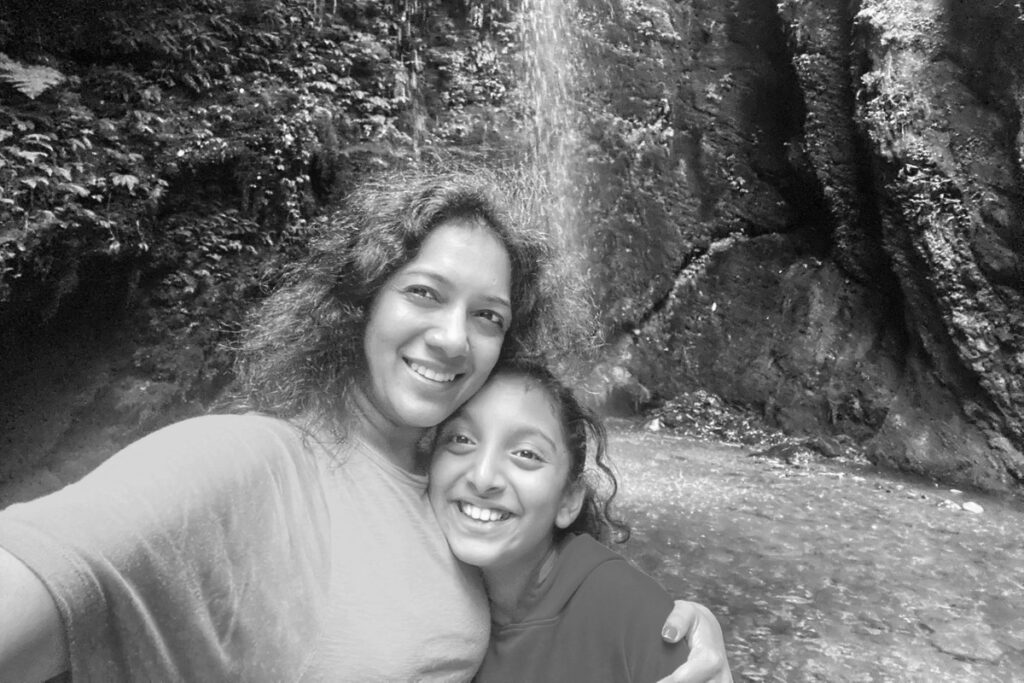
Why We Need to Talk About Stress in Children
Here’s what most parents don’t realize: children carry stress differently than we do.
They don’t come home saying “I had a hard day at school” or “I’m feeling anxious about exams.” Instead, it shows up sideways. A child who can’t sit still. A child who snaps at their sibling for no reason. A child who suddenly doesn’t want to go to a birthday party they were excited about.
The academic pressure starts earlier than ever now. Screen time has become the default babysitter. Social expectations pile up before children even understand what “fitting in” means. And all of this accumulates in their small bodies, because stress lives in the body first, before the mind even has words for it.
That’s why stress release activities for kids aren’t optional anymore. They’re essential. But here’s the thing, they don’t have to be complicated. Research confirms what many parents intuitively sense: children who participated in regular outdoor activities showed significant reductions in cortisol levels, the hormone our bodies produce under stress. Play doesn’t just feel good. It’s doing something real at a biological level.
The Problem With How We Think About Play
Let me tell you about something that still bothers me.
I was at an art class once, not Aarya’s, but I was observing another child. He was maybe six years old, painting happily. His tree was blue. His river was red. He was completely absorbed, creating something that made sense to him.
The art teacher walked over and corrected him. Made him start over. “Trees aren’t blue. Rivers aren’t red. Do it properly this time.”
I watched his face change. Something closed. The painting he made after that was “correct” green tree, blue water. And completely lifeless.
This is what happens when adults interrupt the creative process. When we prioritize “right” over exploration. When we can’t tolerate the mess of real learning.
And then, this is the irony when these same children grow up, we expect them to “think outside the box.” To be creative problem-solvers. To innovate.
How? We trained the creativity out of them at six years old.

No Comments